Electric Motor Efficiency Standards
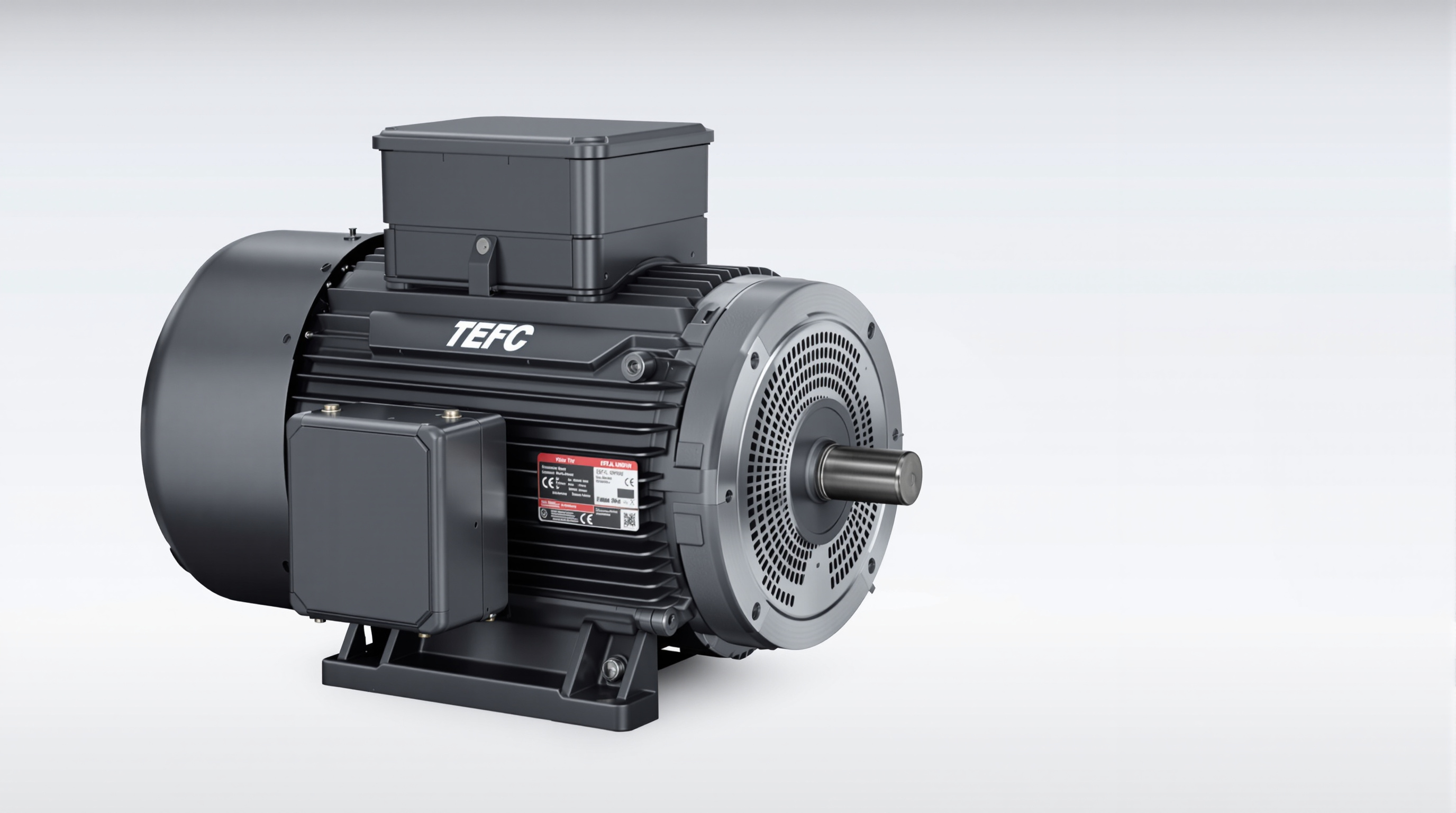
Motor replacement planning involves two separate questions: which efficiency standard covers the motor, and whether the replacement fits the equipment. The U.S. Department of Energy's standards in force since 2016 and the requirements beginning June 1, 2027 provide the regulatory starting point. Read the dates together with the motor category; a horsepower rating alone does not identify the applicable requirement.
Why Motor Efficiency Is Regulated
DOE's Better Plants motor reference says machine-drive motors account for about 54% of industrial electricity consumption in U.S. manufacturing. That figure draws on a February 2014 sourcebook; it is a standing reference, rather than a measurement of any particular facility. The listed applications include pumps, conveyors, compressors, fans, mixers and grinders.
When adopting the 2027 standards, DOE found the recommended efficiency levels technologically feasible and economically justified, with significant energy savings. For a maintenance team, those findings explain the purpose of the rule. They do not calculate the savings from a particular replacement. Keep the regulatory requirement and an equipment-specific comparison separate when reviewing motor documentation.
Standards in Force Since 2016
DOE prescribed the current electric motor standards in a May 29, 2014 final rule for motors manufactured on and after June 1, 2016. Those standards are set out in 10 CFR 431.25. The later rule confirms compliance with the next standards on and after June 1, 2027, for covered equipment manufactured in, or imported into, the United States.
This is a manufacture/import requirement. The stated date does not require every motor already installed in a facility to be replaced. For replacement planning, record the applicable motor category and manufacture/import timing alongside the efficiency information. Treat those details as separate fields rather than assuming that the date of installation answers the compliance question.
What Changes on June 1, 2027
The DOE electric motor standards notice describes the adopted consensus levels for 1-750 hp polyphase medium electric motors and air-over medium electric motors. The expanded scope includes motors above 500 hp through 750 hp that otherwise meet the stated criteria, and motors with an air-over enclosure, including a specialized frame size with that enclosure.
The adopted recommendations include Super Premium/IE4 levels for open medium electric motors rated 100-250 hp. Do not apply that description to every motor in the broader horsepower range. The notice expresses its requirements as nominal full-load efficiency values in separate tables. Table II-1 covers specified NEMA and IEC designs at 60 Hz and excludes fire pump electric motors and air-over electric motors.
Reading a Nominal Efficiency Row
Within Table II-1, select the horsepower row and then the column for the pole count and enclosure. For a four-pole enclosed motor in that table, the listed nominal full-load efficiencies are:
- 10 hp / 7.5 kW: 91.7%.
- 100 hp / 75 kW: 96.2%.
- 200 hp / 150 kW: 96.5%.
These examples show how to read selected cells, rather than providing a complete selection chart. For example, the 200 hp four-pole open entry is 96.2%, compared with 96.5% for the enclosed entry. Compare matching categories before using an efficiency percentage in a replacement review; a value from a different column is not an interchangeable requirement.
Motors Outside the Rule and Drop-In Replacements
The 2023 direct final rule did not include inverter-only motors, synchronous motors or SNEMs. An exclusion from this rule should not be read as a statement that every other motor requirement is absent. Identify the motor's category before deciding which document to consult.
DOE says the adopted standards preserve existing technologies and frame sizes, including voltages, horsepower, pole configurations, enclosure constructions and mountings. DOE also states that it believes drop-in replacement motors will remain available. That is the agency's assessment of the market, rather than a guarantee of fit for a specific machine. Compare those physical and electrical details alongside the efficiency requirement.
Small Electric Motors: No Change in 2026
Small electric motors have a separate standards determination. In its February 13, 2026 final determination, effective March 16, 2026, DOE concluded that more-stringent standards would not be cost-effective and that the existing standards should not be amended.
The document uses the regulatory definition in 10 CFR 431.442, including a general-purpose, single-speed alternating-current induction motor built in a two-digit frame number series, with IEC metric equivalents included. Its standards are expressed as average full-load efficiency. This separate determination should not be treated as an exception to the 2027 requirements for covered medium electric motors.
Planning Replacements Ahead of the Date
Build the comparison around the category, manufacture/import date, horsepower, pole count, enclosure and mounting. Then match the relevant efficiency table to that information. Keeping the fields together makes the review easier to follow and gives the maintenance team a clear record of how it selected the requirement for the replacement under consideration.